

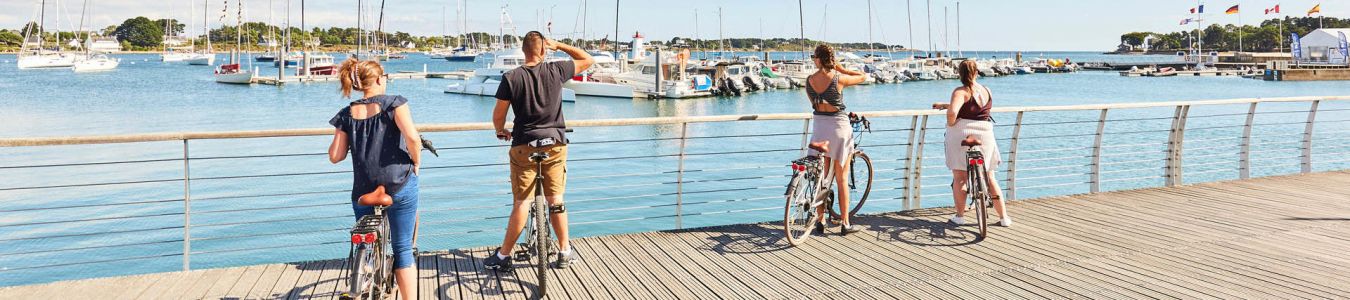
Weather and tide schedules
in La Trinité sur mer
Weather forecasts and tide times updated daily to help you plan your swimming, shellfish gathering or coastal walks.
Understanding the tides means you can enjoy your stay to the full in complete safety!
-
-
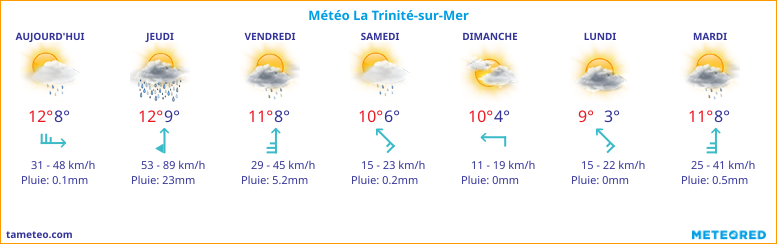
Your weekly weather
-
-
-
-
Here, your holidays follow the tides
-
-
-
To make the most of your seaside holiday, it helps to understand how it all works. Follow the guide!
-
-
-
-
-
Tides in Brittany: how they work
Here in Brittany, on the Atlantic Ocean, tides set the pace of daily life and reshape our coastline several times a day. Whether you want to go shellfish gathering or plan a relaxing swim, it is very useful to know the times of low tide and high tide. Remember that these times shift by around 50 minutes each day…Want to know more? Here is a simple explanation.
-
-
-

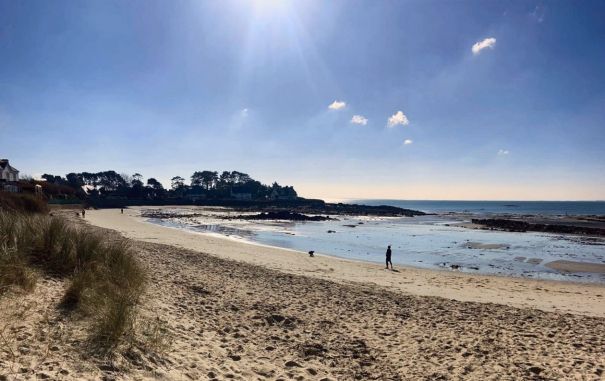
In front of the campsite, Kervillen beach at low tide with a tidal coefficient of 108
-

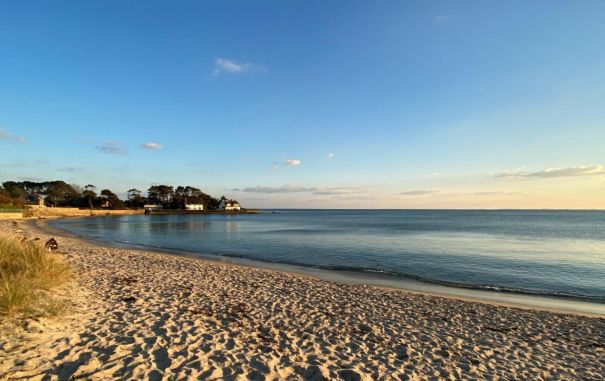
In front of the campsite, Kervillen beach at high tide with a tidal coefficient of 108
-
-
-
What is a tide ?
A tide is the regular rise and fall of the sea level. Every day, the ocean advances and retreats along the coast, uncovering and covering beaches and rocks.
How does it work?
This phenomenon is mainly caused by the gravitational pull of the moon and, to a lesser extent, the sun. These forces draw ocean water towards them, creating huge “bulges” of water that move around the globe as the Earth rotates.To put it simply: imagine the Earth and the Moon dancing together in space, and this dance makes the ocean water move, like a giant natural pendulum.
-
-
How many tides are there per day ?
On the Brittany coast, there are usually two high tides and two low tides per day, so four tidal movements every 24 hours.
One full tide cycle lasts about 12 hours and 25 minutes, which means a bit more than 6 hours between high and low tide.
The daily shift of around 50 minutes explains why tide times change every day. If high tide is at 10:00 today, it will be around 10:50 tomorrow, and so on.Does the water rise and fall quickly?
The speed of the tide is not constant. It starts slowly, speeds up in the middle of the cycle, then slows down again.
During the first hour after high tide, the water drops by only one-twelfth of the total height difference, then by two-twelfths in the second hour, and three-twelfths during the third and fourth hours, before slowing down again.
Knowing this rhythm is important to plan your activities safely.
-
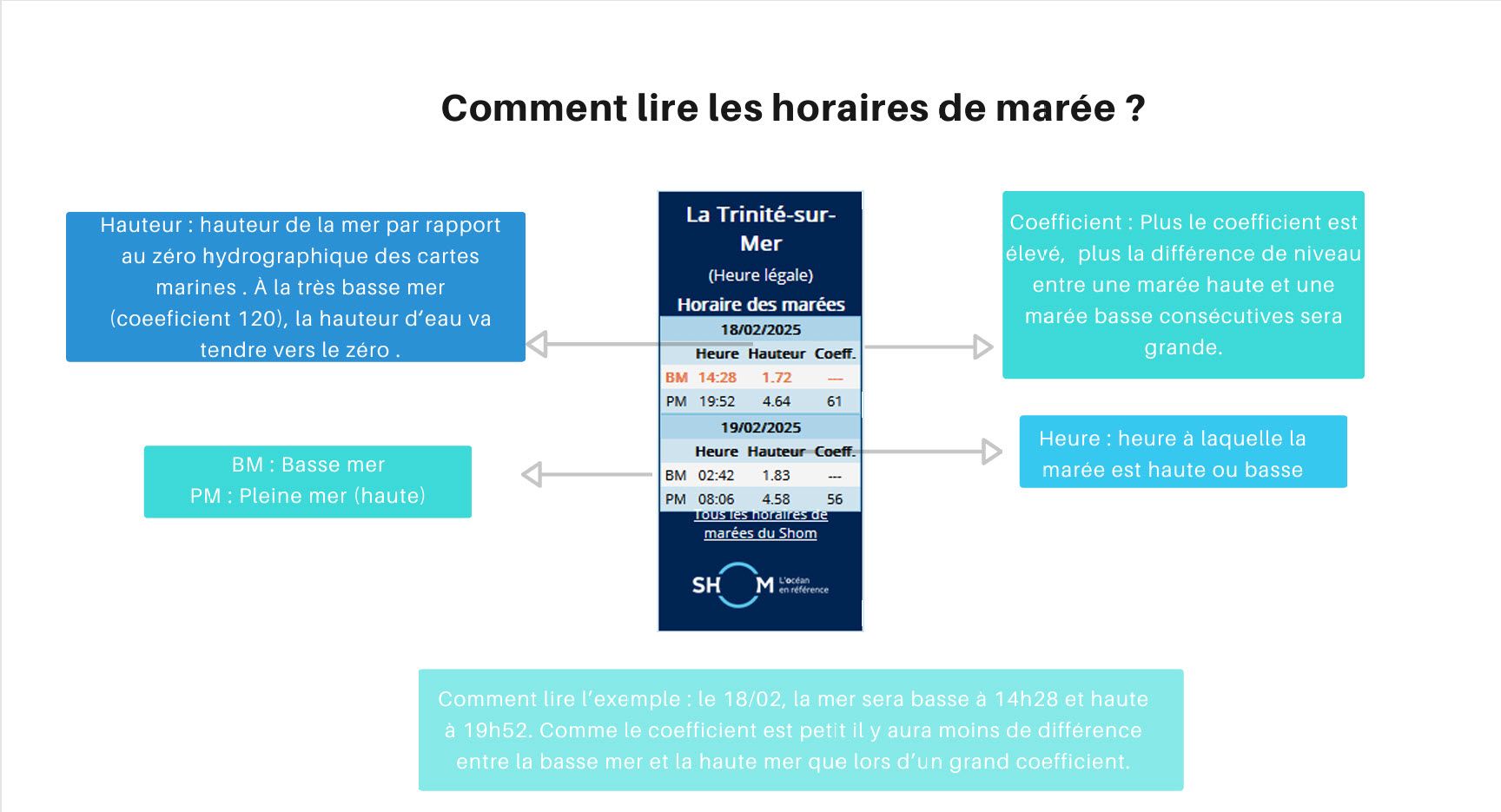
What is the tidal coefficient ?
The higher the coefficient, the greater the difference between high and low tide.
Why are tide times useful?
They are essential for planning your activities on and in the water:
At high tide, enjoy swimming, paddle boarding, kayaking or sailing in the best conditions.
At low tide, plan a shellfish gathering trip, a long beach walk or a sandcastle building session!
Important tip: always check the tide times before heading out, especially if you plan to walk out to sandbanks or small islands that are accessible on foot at low tide.
The sea can come in faster than you think and some areas can quickly become cut off.
-
-
-
-
Experience spring tides
When the tidal coefficient is high (around 100 or more), we talk about spring tide.
Spring tides are spectacular natural events where the sea rises and falls more than usual, creating a strong contrast between low and high tide.
They occur when the sun, Earth and moon are perfectly aligned (at full moon or new moon), which increases their pull on the oceans.
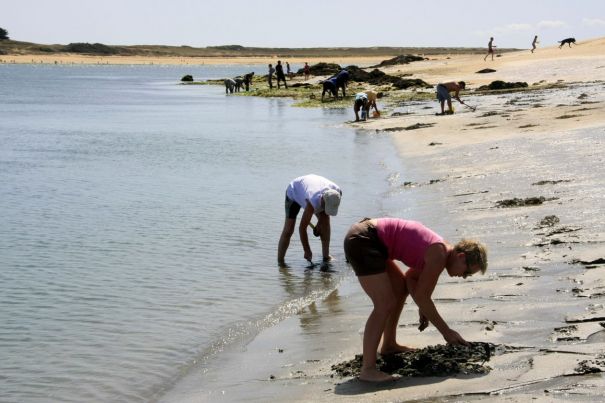
The strongest tides happen around the equinoxes (March and September).In La Trinité-sur-Mer, this is a magical time to watch the coastal landscape change and enjoy shellfish gathering!
Important tip: do not get caught out by a fast-rising tide during shellfish gathering. Keep in mind that areas accessible at low tide can become inaccessible again once the water comes back in.
-
-
-